

Halloween Universe

The Screening Room

The Halloween Video Library

A curated, searchable archive of the dark craft — DIY props and animatronics, home-haunt walkthroughs, makeup, lighting, fog, and effects. Every film embedded from its creator, organized so you can actually find what you need.

4 videos
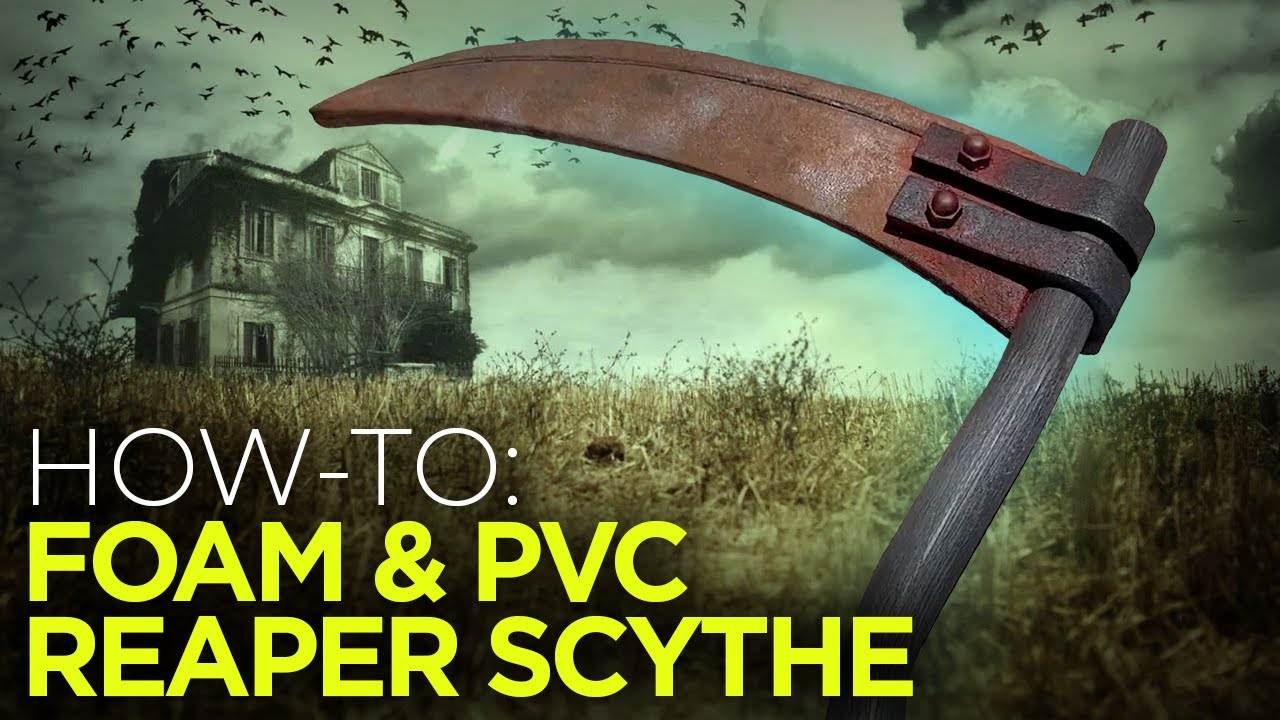
Building a Prop Scythe with Foam, PVC, and Hot Glue!
10:24
DIY PropsBeginner$20–$50

Building a Prop Scythe with Foam, PVC, and Hot Glue!

VanOaksProps walks through building a Grim Reaper scythe using readily available materials — EVA foam floor mats, PVC pipe, and hot glue — making this an accessible project for beginners and cosplayers alike. The blade is shaped from foam with a heat gun, mounted to a PVC handle, and finished with a Plasti-Dip base coat followed by layered acrylic paints for a realistic, weathered look. The build is designed to be completable in a few hours with minimal tools. Surebonder sponsored the video by providing their Cosplay Stik hot glue and glue gun.

VanOaksProps· 30,560 views
Fake Pumpkins Don't Have to Look Cheap
6:48
DIY PropsBeginner$10–$25

Fake Pumpkins Don't Have to Look Cheap

VanOaksProps tackles one of the most common complaints about artificial pumpkins — their unconvincing, characterless stems — with a fast, low-cost upgrade technique. Using wire, aluminum foil, and Apoxie Sculpt epoxy putty, the creator builds up a realistic organic stem shape from scratch. A layered acrylic paint finish in earthy tones completes the transformation, making budget foam pumpkins look genuinely hand-carved. The whole process is approachable for beginners and requires only basic materials.

VanOaksProps· 15,270 views
Rusted Metal Paint Effect using Hairspray & Coffee Grounds
12:34
DIY PropsBeginner$20–$50

Rusted Metal Paint Effect using Hairspray & Coffee Grounds

This tutorial from VanOaksProps covers two distinct techniques for achieving a convincing rusted, aged-metal paint finish on props and set pieces. The first method uses hairspray as a resist layer to create realistic chipped and peeling paint, while the second incorporates coffee grounds to build up a grungy, corroded surface texture. Both approaches rely on accessible, low-cost materials and are well-suited to haunted house scenic painting or cosplay prop finishing. Note that the creator issued a correction: any mention of 'burnt umber' in the video is intended to mean 'raw sienna.'

VanOaksProps· 216,388 views
quick and dirty mask painting.wmv
8:02
Makeup TutorialsBeginner

quick and dirty mask painting.wmv

Allen Hopps of Stiltbeast Studios demonstrates a fast, approachable method for painting latex Halloween masks, showing multiple color schemes side by side to highlight how technique and palette affect the final look. Masks are base-coated in latex paint, detailed with acrylics, and finished with a protective coat of ArmorAll. Painting the same mask in different colorways makes it easy to compare results and understand how contrast drives a convincing finish.

StiltbeastStudios· 12,871 views