Video Tag
Every video tagged “resin casting” in the library — a focused slice of the Halloween archive.
21 videos
This tutorial from Monster Tutorials walks viewers through the process of casting highly realistic eyes using silicone molds and resin. The build combines printed iris files with layered white and clear resin pours to achieve convincing depth and detail. Finishing steps including sanding and polishing give the final pieces a lifelike, glossy appearance. The materials used are accessible hobby-grade products, making this achievable for intermediate prop builders.
This tutorial from Monster Tutorials walks through the process of creating resin-cast prop eyes that use an optical illusion to appear as though they follow viewers around the room. The build combines ball bearings, a silicone sphere mold, and UV-stabilized clear cast resin to produce convincing, lifelike eyeballs. A pressure pot is used during the casting process to ensure bubble-free results. The finished props can bring Halloween characters and figures to life with an unsettling, interactive quality.
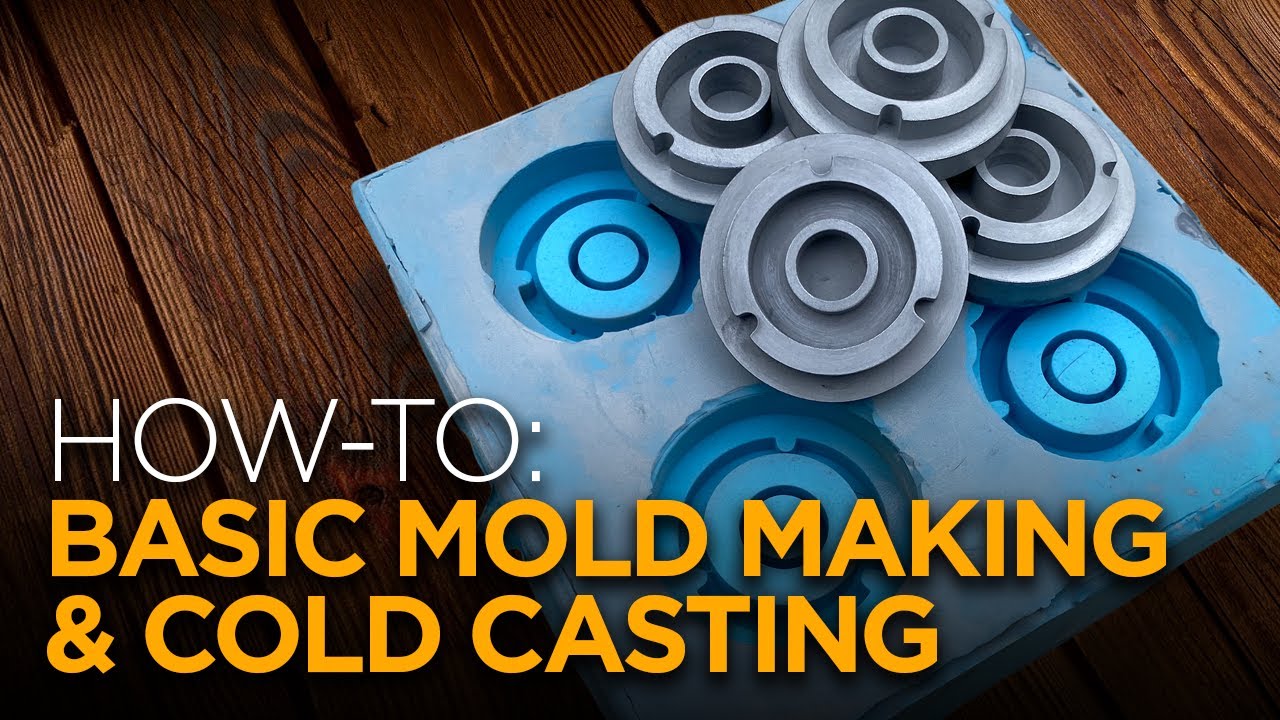
VanOaksProps walks through the complete workflow for duplicating prop parts using a tin-cure silicone mold and cast resin, then finishing the casts to resemble brushed aluminum. The technique — known as cold casting — uses aluminum powder mixed into or applied over resin, with steel wool buffing to bring out a convincing metallic sheen. It's a practical solution for haunters who need multiple identical parts without hand-building each one. The tutorial is kept approachable and concise, making it accessible even for first-time mold makers.
This tutorial from Monster Tutorials walks through converting an affordable Harbor Freight pressure paint bucket into a functional resin casting pressure pot using a handful of brass plumbing fittings and quick-connect air components. The build is designed to eliminate bubbles in clear resin pours — a common challenge for prop and jewelry makers. The video demonstrates how to assemble and adapt the lid fittings so the bucket can be pressurized with a standard air compressor. Alumilite Clear Slow Resin is shown as the casting material of choice for the finished setup.
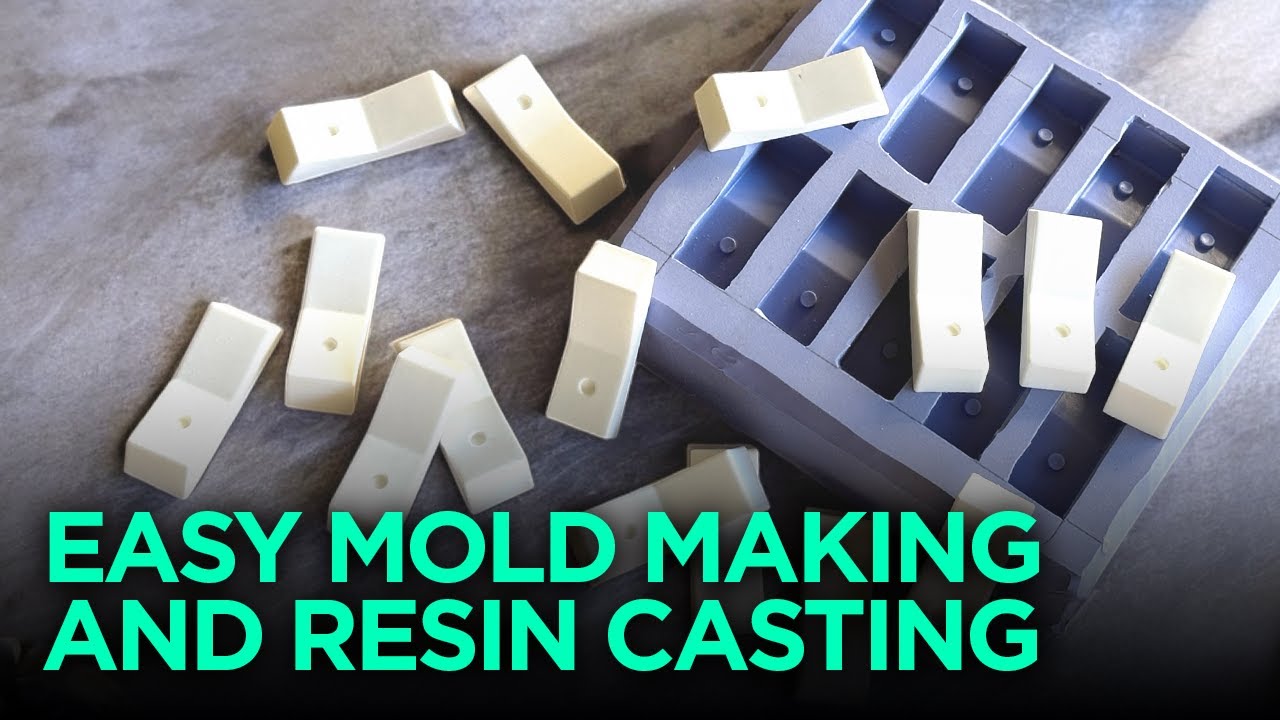
Stiltbeast Studios walks through the process of creating a simple silicone sheet mold, a versatile and approachable technique for producing multiples of small resin-cast items. Both the silicone and resin used are sourced from BITY Mold Supply. The tutorial demonstrates how this straightforward mold format is well-suited for small prop components and detail pieces. At just over 20 minutes, it offers a focused, practical look at an essential prop-making skill.
This tutorial walks through the process of casting hyper-realistic resin eyeballs suitable for Halloween props, animatronics, and prosthetics. The creator uses silicone mold rubber alongside both white and clear casting resins, layering them to achieve convincing depth and translucency. Printed iris files — available from the creator's website — are incorporated into the build for added realism. Note that a corrected and complete version of this tutorial has been published separately by the creator.
VanOaksProps walks beginners through the fundamentals of silicone block mold making and resin casting as a practical way to duplicate hard-to-find Halloween prop parts. The tutorial uses Smooth-On Mold Star 15 Slow silicone and Smoothcast resin, with sulfur-free clay as a key supporting material. Despite the creator mistakenly calling it a two-part mold in the video, it is clarified to be a straightforward block mold — an ideal starting point for newcomers to prop replication.
VanOaksProps walks through the complete process of making silicone molds and casting resin duplicates in this beginner-friendly tutorial. The workflow covers mixing and pouring silicone, applying mold release, and achieving clean resin casts suitable for small prop components. The channel's own Star Wars-inspired resin rocker switches serve as a real-world example of what the technique can produce. At under ten minutes, the guide is concise and practical for anyone looking to start replicating small prop parts at home.
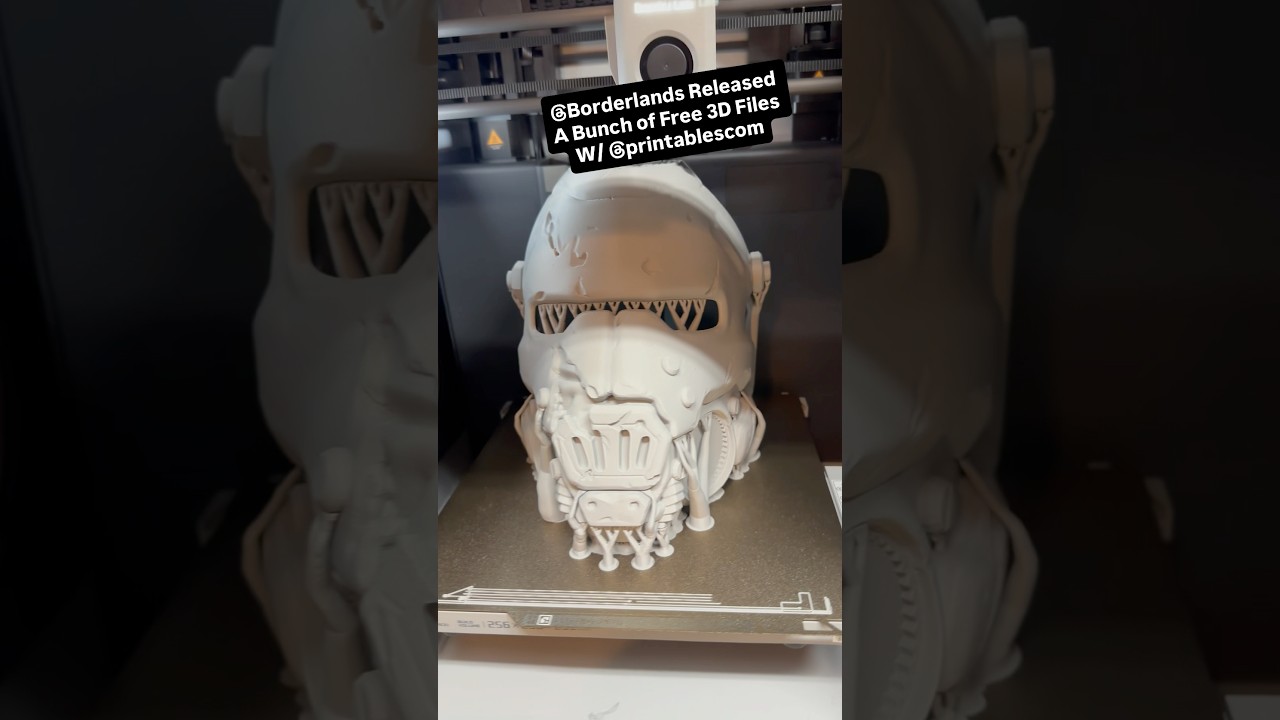
Borderlands 4 released official free 3D-printable files on launch day, and SKS Props wasted no time printing the iconic Psycho mask on a Bambu X1C. This short video serves as a teaser, with a full painting and finishing tutorial promised to follow later in the week. It's a timely heads-up for cosplayers looking to jump on the Borderlands 4 hype with officially released assets.
This tutorial walks through the process of crafting highly realistic zombie eyeballs entirely from scratch using resin casting techniques. The creator demonstrates how to achieve the signature milky, cataract-like cornea effect that defines convincing undead eyes. Ball bearings serve as the core form, with mold-making compound, clay, white casting resin, and a clear epoxy topcoat used to build up the finished prop. Custom-printed iris sheets are incorporated to add lifelike detail beneath the resin layers.
VanOaksProps walks viewers through a step-by-step build of the iconic door knockers from Disneyland's Haunted Mansion Corridor of Doors, using inexpensive craft store and online finds. The build combines plastic ornaments, wooden beads, and a dowel as a base, with resin casting and Dremel work adding detail. A layered paint and finishing process — including automotive primer, spray paint, and Rub n Buff — sells the aged, ornate look of the original prop. A free downloadable PDF template is provided to help replicate accurate shapes.
StiltbeastStudios walks through the process of creating a matrix mold — a two-part silicone mold technique used to produce accurate, repeatable resin parts for Halloween props and masks. The tutorial covers the key steps and logic behind this mold-making method, helping builders understand how to capture fine detail and release complex shapes. It is part of the channel's broader series on professional-level prop fabrication for haunted attractions.
StiltbeastStudios walks through the process of building a silicone cup mold — also known as a stack or box mold — designed for casting resin prop parts. The tutorial covers the core workflow used in professional and semi-professional prop fabrication environments. Gel-10 silicone is the featured mold-making material, paired with a compatible casting resin system. This is a practical, technique-focused demonstration suited to prop makers looking to produce repeatable resin pieces.
The creator showcases multiple handcrafted eyeball prototypes made during quarantine, exploring different approaches to achieve the best result for an upcoming latex mask project. Viewers are invited to weigh in and help select which prototype design moves forward to full production. A separate dedicated eyeball tutorial is referenced for those wanting step-by-step guidance. The video serves as both a creative preview and a community engagement piece.
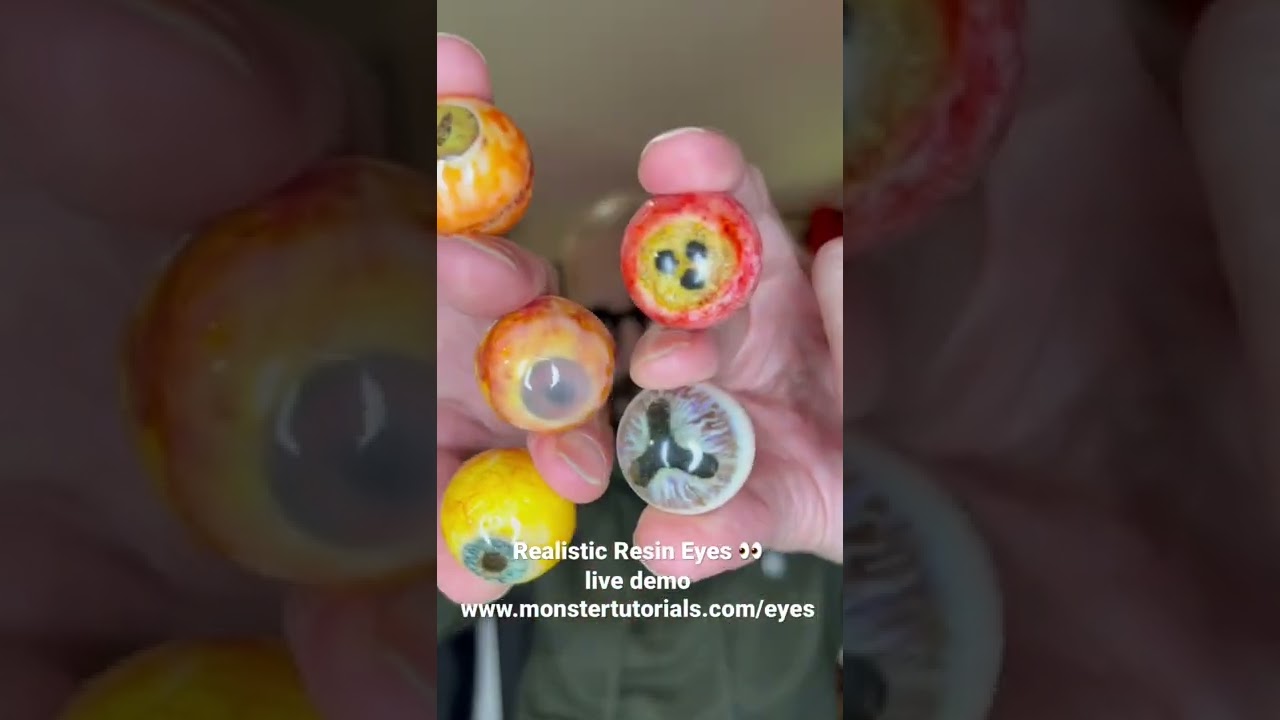
This live-stream tutorial from Monster Tutorials walks viewers through crafting highly realistic resin eyeballs for Halloween props and creatures — no Hollywood experience required. The session covers making reusable rubber molds so creators can produce large quantities of eyes efficiently, and even explore selling them. The instructor also addresses when investing in fine eye detail pays off and when simpler approaches are the smarter choice, helping builders avoid wasted effort.
This tutorial walks viewers through creating a Halloween-themed charcuterie board — dubbed a 'creepycuterie' board — by embedding plastic insects into poured resin inside a silicone mold. The finished piece doubles as a functional serving board and a conversation-starting party centerpiece. The project requires minimal materials and is accessible to crafters with little or no prior resin experience.
This concluding build video from VanOaksProps walks through the final assembly, painting, and finishing of a replica 57C Holocam — the iconic detention block security camera from Star Wars: A New Hope. The creator covers precision detailing, multi-stage painting with an airbrush, and the application of vinyl decals and resin accents to achieve a screen-accurate look. References to community build logs on the Replica Prop Forum are cited as key research sources. The result is a display-quality prop suitable for collectors, Star Wars fans, and haunt or set designers seeking cinematic sci-fi scenery.
This tutorial walks through the process of casting realistic resin eyes with a dark, menacing look intended for a Leatherface bust prop from Texas Chainsaw Massacre. The creator uses accessible casting and coloring techniques suitable for prop makers of varying experience levels. Alcohol inks and airbrush paint are layered to achieve convincing eye depth and color, while calipers ensure accurate sizing. The result is a custom, professional-looking eye detail that elevates any horror bust or mask project.
This rapid-fire one-minute tutorial from Stiltbeast Studios shows how to create a small skull pin using basic moldmaking techniques. A skull is sculpted in water-based clay, then a flexible mold is formed using 100% silicone caulk catalyzed with dish soapy water. Resin is poured into the finished mold to produce the final wearable piece. A link to a longer, more detailed companion video is provided for those wanting step-by-step guidance.
Monster Tutorials hosts a live demonstration focused on crafting realistic resin eyes for props or creature effects. The session is designed to walk viewers through the process in real time, offering an interactive learning experience. No source description was provided, so details are inferred from the title alone.
This short clip offers a first look at resin tusks freshly cast from a silicone mold and fitted into a latex mask blank, part of a frost giant creature build. Stiltbeast Studios uses Platsil Gel-25 for the mold and Easy-Flo 120 for the resin cast. The video serves as a teaser highlight pulled from a longer live-stream session, with a link provided to the full mold-making segment.