Video Tag
Every video tagged “prop making” in the library — a focused slice of the Halloween archive.
233 videos
This tutorial from Stiltbeast Studios walks viewers through building a wearable skull mask using expanding spray foam, keeping the entire project under $10 and completable in roughly an hour. The technique is accessible to beginners and opens the door to a wide range of costume and haunted attraction applications. Inspired by the aesthetic of classic horror such as Tombs of the Blind Dead, the finished mask delivers a striking skeletal look on an extremely tight budget.
StiltbeastStudios walks viewers through building a werewolf mask using spray foam sourced from a home improvement store. The video demonstrates how accessible, off-the-shelf materials can be transformed into a convincing creature prop without professional-grade supplies. This is part of the channel's broader focus on haunt-quality monster fabrication techniques made approachable for home builders.
In this installment of Distortions Unlimited's Monster Lab series, Ed Edmunds demonstrates how to create a latex Halloween mask from start to finish. The episode walks through pouring latex and painting the finished mask, which can be worn as part of a costume or used as a display piece. It draws on Distortions' professional background in haunt props, masks, and animatronics.
Creator Matt Daniels builds a fully functional Fallout Pip-Boy prop by hiding a broken smartphone inside a 3D-printed shell to drive the screen and dial lighting. A homemade vacuum forming rig is used to shape a curved plastic lens that recreates the classic CRT aesthetic. The build also covers weathering, painting, and the kind of practical movie-magic tricks used by real prop departments to sell the illusion. The result is a screen-accurate, wearable cosplay prop at a fraction of commercial replica prices.
This beginner-friendly tutorial from Madeyewlook walks viewers through transforming a basic fuzzy top hat into a steampunk prop using everyday craft supplies. Techniques include tea-staining for an aged look, acrylic paint layering for a weathered metallic finish, and attaching decorative gears and chains. Most materials are sourced from craft stores, making this an accessible and affordable Halloween costume build. It marks the channel's first-ever DIY costume tutorial.
StiltbeastStudios kicks off a multi-part series exploring Great Stuff expanding foam, a go-to material in haunted attraction building. This installment focuses on the properties and characteristics of the foam before moving into hands-on project applications in future episodes. It serves as an accessible introduction for builders who want to understand the material before committing it to a prop or set piece.
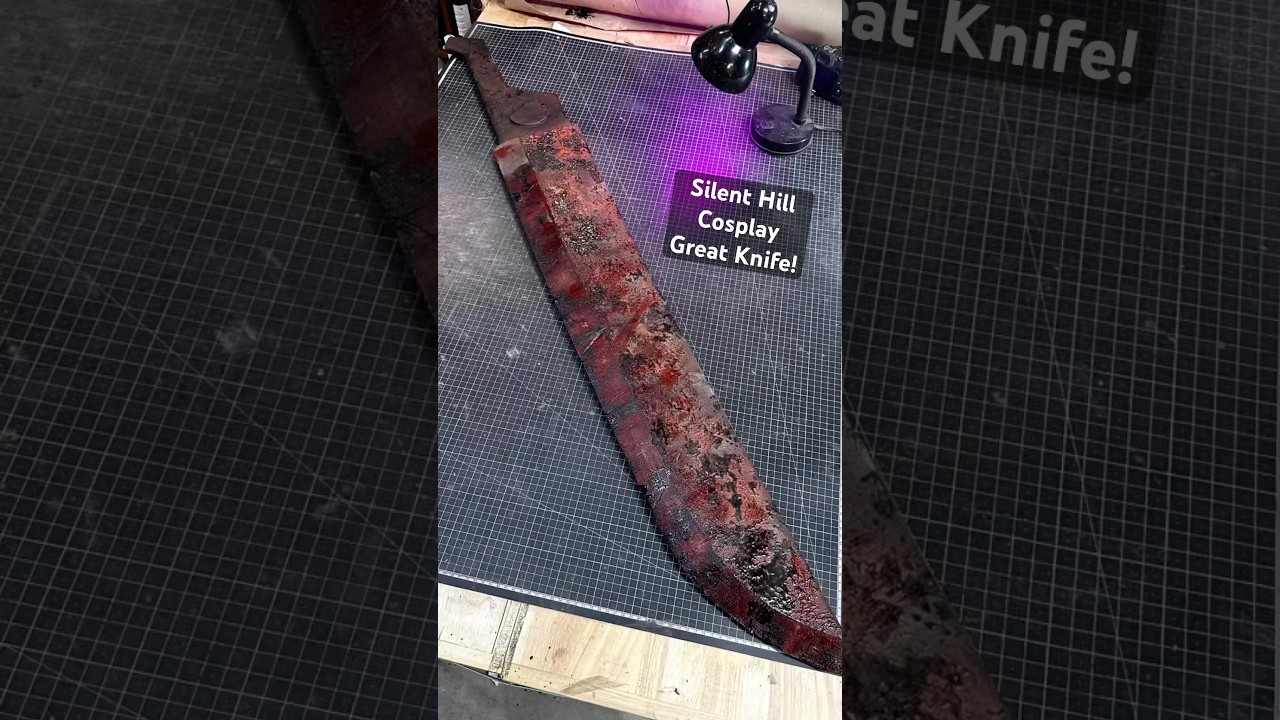
SKS Props is producing a build tutorial for the iconic Great Knife from Silent Hill 2, designed to complement their previously crafted Pyramid Head helmet. The tutorial will walk through the full fabrication process along with finishing techniques to achieve convincing gore, rust, and blood weathering effects. The video appears to be a preview or teaser for the upcoming full tutorial rather than a complete step-by-step guide itself.
VanOaksProps presents their signature method for smoothing PLA 3D prints before painting, combining spot putty with acetone to minimize sanding time. The technique draws on basic chemistry to fill print layer lines more efficiently than conventional sanding alone. The workflow is designed to get props paint-ready faster, freeing up time for more creative work. This is presented as the creator's original take on a widely discussed topic.
VanOaksProps tackles one of the most common prop-making questions by putting four popular adhesives head-to-head in a practical foam bonding test. The contenders — white Gorilla Glue, Great Stuff expanding foam, Liquid Nails project adhesive, and Titebond 3 wood glue — are evaluated to determine which performs best on foam materials. The results aim to give crafters a definitive answer before they commit to an adhesive for their next build.
This tutorial from Monster Tutorials walks viewers through the process of casting highly realistic eyes using silicone molds and resin. The build combines printed iris files with layered white and clear resin pours to achieve convincing depth and detail. Finishing steps including sanding and polishing give the final pieces a lifelike, glossy appearance. The materials used are accessible hobby-grade products, making this achievable for intermediate prop builders.
This short educational video from FrightProps breaks down the most common types of pneumatic cylinders used in Halloween prop making and animatronics. Key terminology — stroke, bore, mounting styles, and actuator types — is clearly defined to help builders make informed purchasing decisions. The video covers double-acting, single-acting, and reverse-acting cylinders, explaining how each uses air pressure and internal springs differently. It serves as a practical primer for anyone new to air-powered props.
In this episode of Monster Lab, Distortions Unlimited founder Ed Edmunds makes the case for WED clay as his preferred medium for sculpting monster masks and large Halloween props. Originally developed for Disney animatronics, WED clay is a water-based, air-dry material prized for its smooth, pliable working properties and slower drying time — qualities Ed demonstrates hands-on with a monster mask sculpt. He also honestly addresses when oil-based clays may be the better choice, such as for SFX appliances or small figurines. The episode is part of a long-running tutorial series aimed at bringing professional prop-house knowledge to DIY builders.
This behind-the-scenes video takes viewers inside Distortions Unlimited during a single September 2022 workday as the team races to finish Halloween props, animatronics, and costumes before the season deadline. The episode centers on completing the Shock Clown costume alongside other pieces destined for shipment. It offers a rare, unfiltered look at the professional workflow and production pressure of a major Halloween prop manufacturer. Fans of monster making and industrial-scale Halloween fabrication will find it genuinely compelling.
StiltbeastStudios walks viewers through building a realistic-looking faux pumpkin using upholstery foam scraps — an accessible, low-cost approach to Halloween prop making. The build recycles offcut foam into convincing jack-o-lantern décor suitable for home haunts or haunted attractions. At roughly 17 minutes, the tutorial keeps things approachable without requiring expensive materials or advanced tools.
This tutorial from VanOaksProps walks through building a wearable Tusken Raider helmet using duck canvas, faux leather, and hot glue as the primary construction method, with a Thingiverse 3D model as a reference or base. The build incorporates fabric shaping, leather detailing, and a multi-step paint and weathering process to achieve an authentic, battle-worn look. The video is sponsored by Surebonder, whose cordless glue gun and Cosplay Stik adhesive are featured throughout. The finished prop is suited for Star Wars cosplay or Halloween costume use.
VanOaksProps demonstrates a quick two-step faux metal technique that transforms everyday materials — cardboard, plastic, wood, or virtually anything else — into convincing metal-looking props. The process relies on shellac and graphite powder, applied and buffed to create a realistic metallic sheen. At just six minutes, the tutorial is concise and immediately actionable for prop builders at any skill level. Credit is given to Vaughan Baker for originating the technique.
VanOaksProps walks through a one-day scratch build of a medieval-style torch prop using PVC pipe, craft foam, and an LED flame bulb. The build relies on accessible hardware and craft supplies, with a free downloadable template provided to guide shaping. Painting and weathering steps give the finished piece a convincing aged-iron look suitable for costumes, cosplay, or haunted displays. The project is sponsored in part by Surebonder, whose cosplay hot glue sticks are used throughout.
VanOaks Props walks beginners through the fundamentals of 3D modeling, specifically how to use a photograph as a reference or source to create a 3D model. The tutorial is oriented as a conceptual overview, helping newcomers understand how 3D models are constructed before diving into more complex techniques. While Halloween prop-making is the broader context of the channel, the skills taught here are applicable to any prop or costume project.
VanOaksProps walks through a beginner-friendly technique for transforming ordinary PVC pipe into convincing faux wood using a heat gun, Apoxie Sculpt for texture, and layered acrylic paints. The method is versatile enough to produce a witches' broom handle, a cauldron stirring stick, or a Harry Potter-style broomstick. Multiple earth-tone paint colors are blended and dry-brushed to achieve realistic wood grain and aging. A final Mod Podge seal protects the finished piece for display or wear.
This tutorial by VanOaksProps walks through the full process of creating convincing fake brick walls from XPS foam, covering every stage from measuring and cutting to texturing and painting. The creator demonstrates how to use a hot wire table and surform rasp to shape individual bricks, then applies heat to mimic aged surface texture. A multi-step paint process using several earth-tone acrylics over a masonry sealer base coat produces a hyper-realistic, lightweight brick panel suitable for haunts, sets, or home displays.
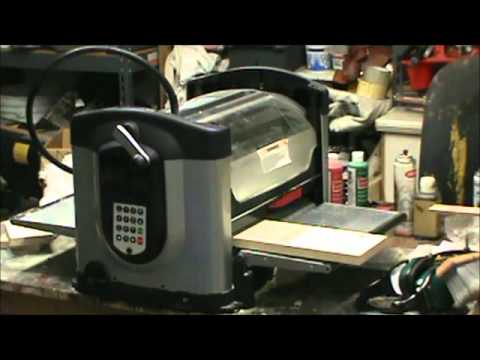
Allen Hopps of Stiltbeast Studios demonstrates the CarveWright automated CNC carving machine he has added to his prop-building shop. The video highlights the machine's capabilities for wood carving and sign making in a Halloween prop-fabrication context. It serves as an enthusiastic introduction to the equipment rather than a step-by-step tutorial.
VanOaksProps demonstrates how to build a screen-accurate, Original Trilogy-inspired lightsaber entirely from common PVC plumbing components and basic hardware. The build walks through assembly of various PVC fittings to form the hilt body, followed by a multi-stage paint process — chrome base, matte black, and oil-paint weathering — to achieve a realistic metal appearance. Free grip template files are available to download, making the project accessible to beginners with intermediate crafting ambition. The result is a movie-quality prop built at a fraction of the cost of commercial replicas.
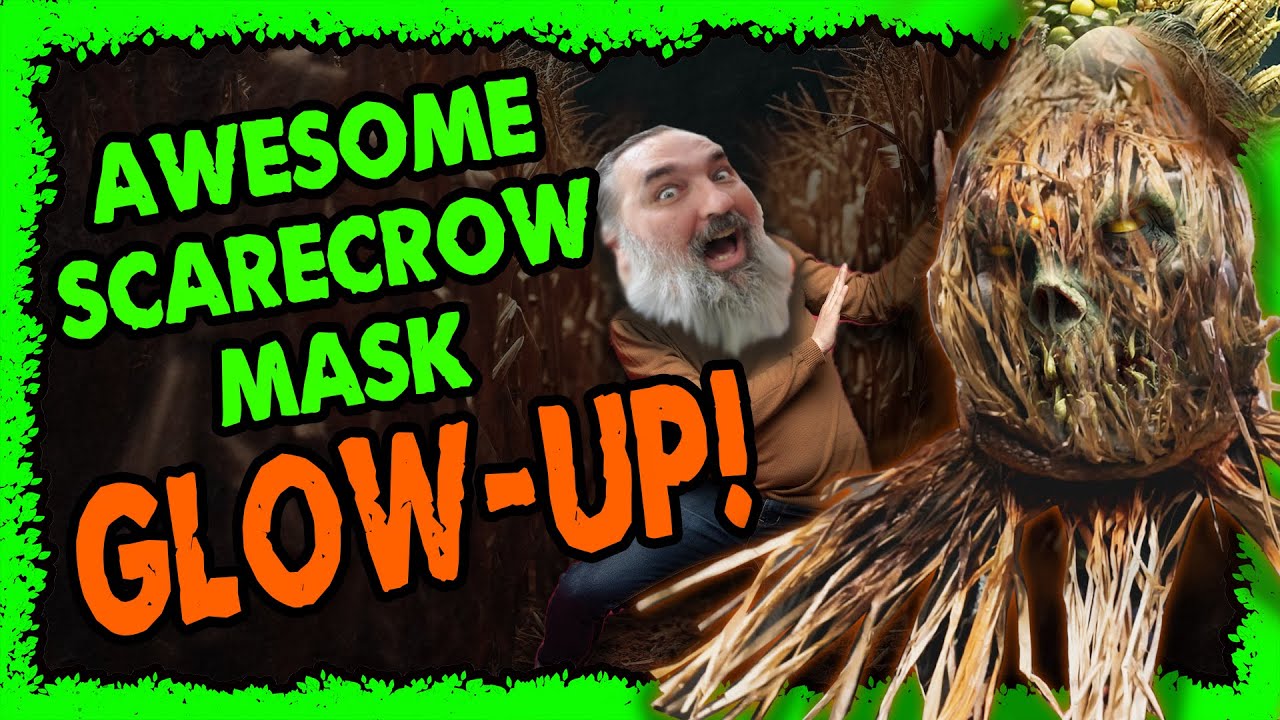
Stiltbeast Studios walks through how to transform an ordinary mask into a convincing scarecrow character, sharing tips on altering and staging the look for maximum scare impact. The video covers both wearable costume use and static display presentation. It's a practical, accessible guide for haunters looking to get more mileage out of existing mask inventory.
Allen Hopps of StiltbeastStudios tests Sika expanding foam — available at Home Depot — by casting it directly into a silicone life-cast mold. The foam performs well in the mold, reproducing detail reliably, and earns a recommendation for this type of prop-making application. This short, focused video is essentially a real-world material test with a clear verdict.