Video Tag
Every video tagged “mold making” in the library — a focused slice of the Halloween archive.
74 videos
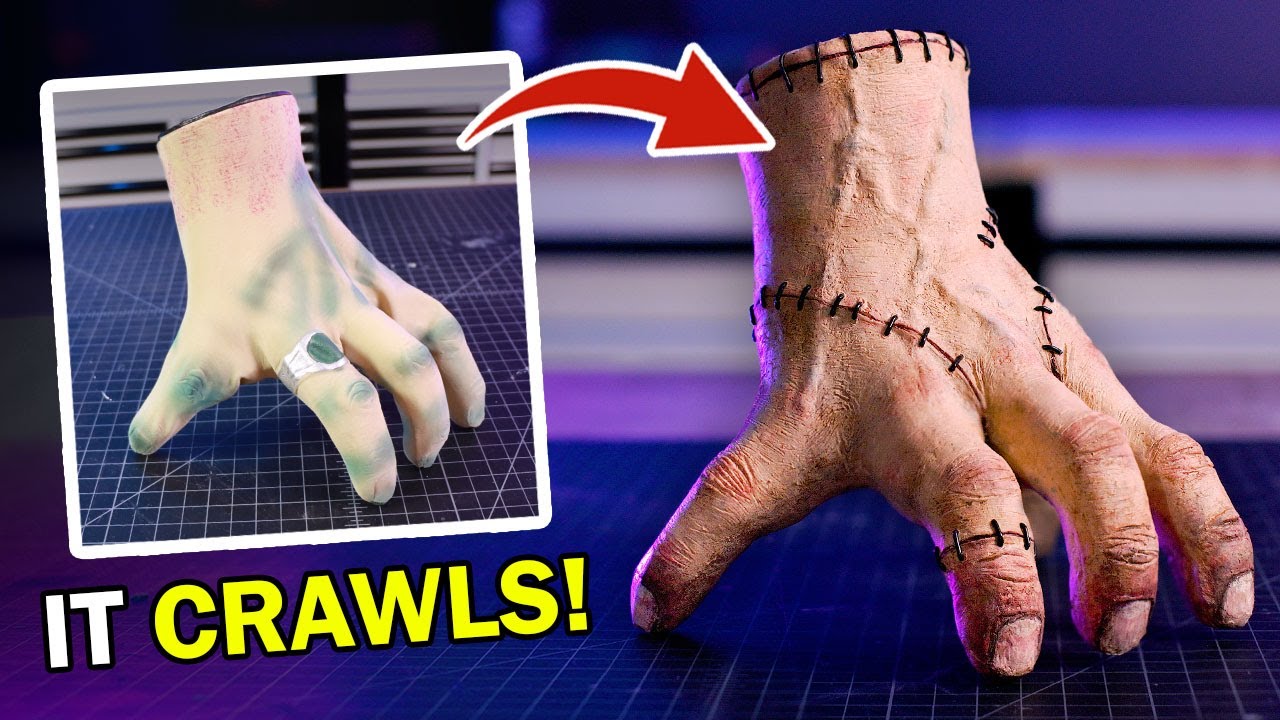
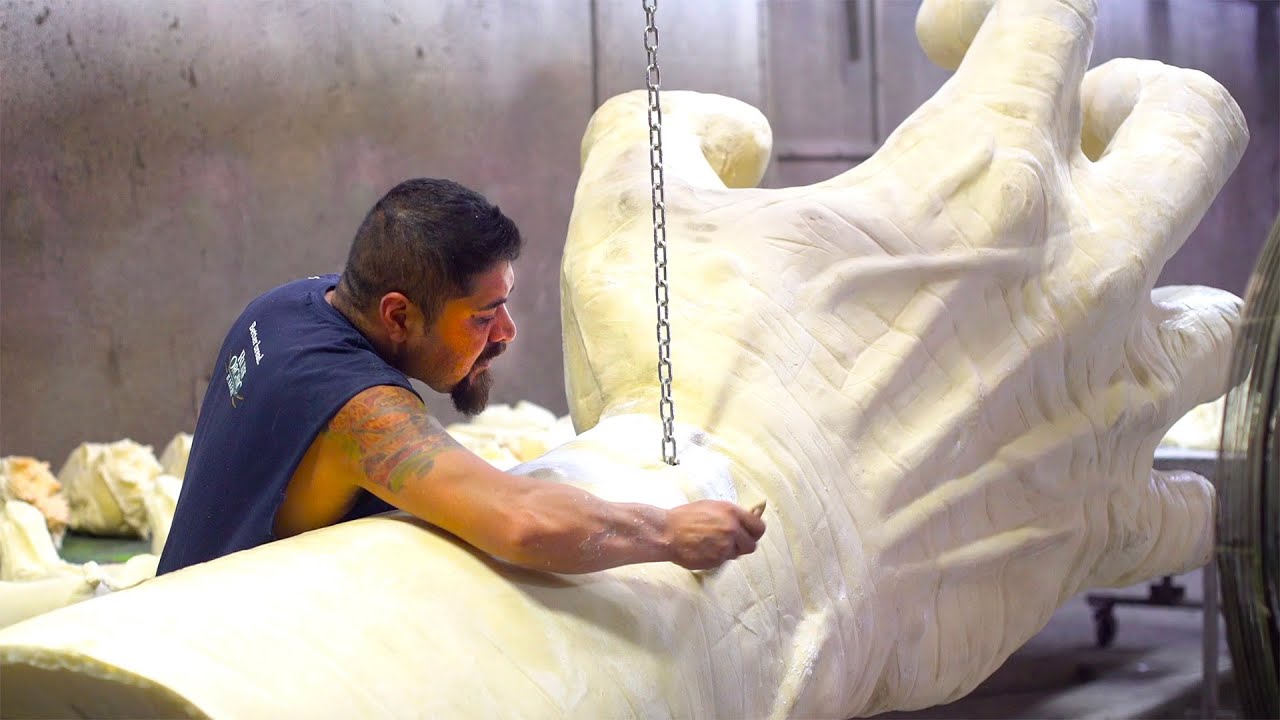
Wicked Makers' Jaimie and Jay transform a Spirit Halloween mechanical crawling hand animatronic into a screen-accurate 'Thing' from Netflix's Wednesday series. The build walks through disassembly, clay sculpting over the existing mechanism, two-part plaster mold making, latex skin casting, and final painting. A guest expert in mold making and sculpture joined the project and contributed key technical guidance throughout. The result is a fully functional walking animatronic with a realistic latex skin that closely resembles the on-screen character.
In this installment of the Monster Lab series, Ed Edmunds of Distortions Unlimited walks viewers through making a plaster mold from a sculpted Halloween mask. The tutorial covers the mold-making step in the broader process of building monster masks the Distortions way. It's part of an ongoing series that also touches on sculpting, painting, and casting.
In this extended Monster Lab episode, Distortions Unlimited founder Ed Edmunds walks viewers through the complete process of creating a latex gremlin character from scratch. The tutorial covers three major stages: sculpting the creature in clay, constructing a two-piece plaster mold, and painting the finished latex pull for a professional SFX result. Running at nearly an hour, the video provides a thorough, professional-level breakdown of techniques used in the Halloween manufacturing industry. It serves as a valuable reference for anyone looking to move beyond basic prop-making into full creature fabrication.
Industry veteran Ed Edmunds of Distortions Unlimited leads this comprehensive tutorial on creating a form-fitting, moveable latex zombie face mask from start to finish. Drawing from multiple Monster Lab sessions, the video walks through every major stage of professional mask production: clay sculpting, mold making, latex casting, airbrushing, finishing, and hairing. With over 40 years in the Halloween manufacturing industry, Edmunds brings professional-grade techniques to a DIY-accessible format. The result is a wearable, flexible zombie mask built using the same foundational methods used in commercial prop production.
In this 33-minute episode of Monster Lab, industry veteran Ed Edmunds of Distortions Unlimited walks through the process of creating a plaster mold from a clay-sculpted zombie mask — a critical step between sculpting and final latex casting. The tutorial is part of a structured multi-episode series designed to teach professional mask-making skills to DIY creators. Viewers see how a finished clay sculpture is transformed into a reusable mold ready for latex pulling. The episode sits within a broader arc that includes a prior sculpting video and an upcoming painting tutorial.
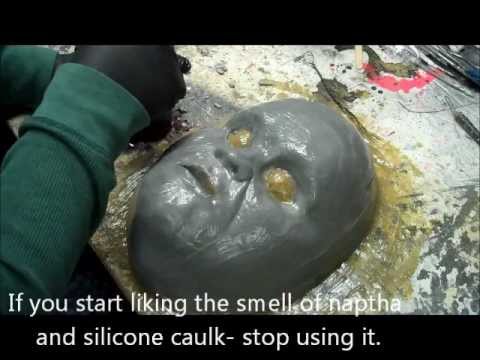
This first part of a mold-making series from Stiltbeast Studios walks viewers through creating a one-piece mold using 100% silicone caulk. The process involves thinning the caulk with naphtha to achieve a workable consistency suitable for capturing fine detail. It is aimed at SPFX artists and haunt builders who want an affordable alternative to commercial silicone systems. Proper ventilation is emphasized throughout due to the solvents involved.
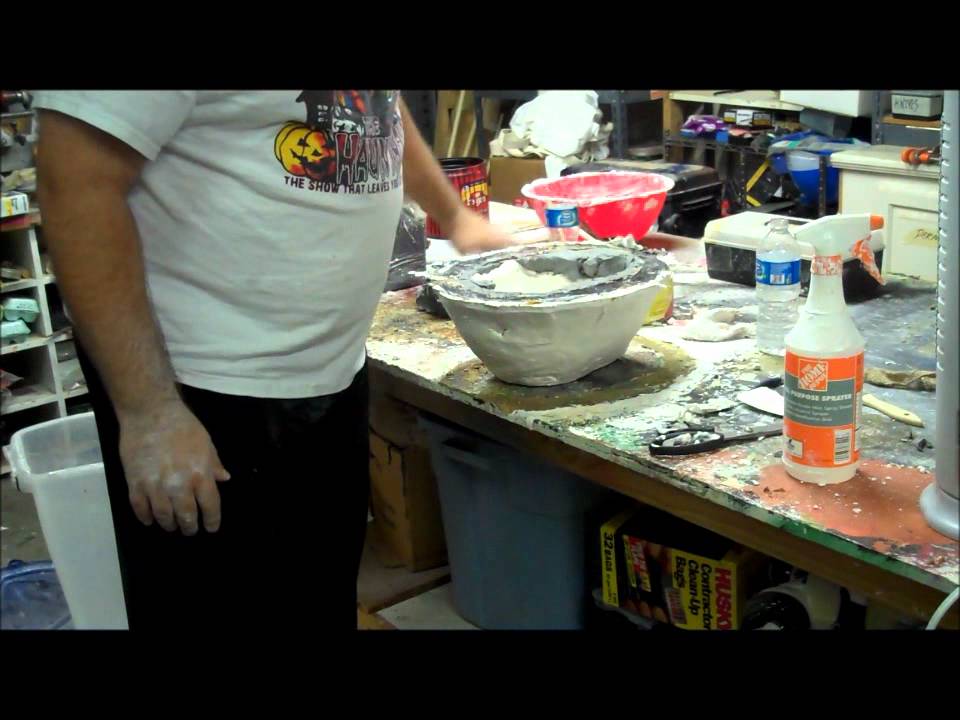
Allen Hopps of StiltbeastStudios walks through the process of building a two-part plaster mold from an original sculpt, intended for producing pull-out latex masks. The video covers the key stages of mold construction used in professional-level special effects prop making. It serves as a practical introduction to the mold-making workflow for anyone looking to reproduce original mask designs at volume.
Allen Hopps of Stiltbeast Studios walks through the process of constructing a two-part mold intended for casting latex masks. The tutorial covers the key steps and considerations involved in splitting a mold correctly to produce clean, wearable results. This is the second installment in what appears to be a multi-part series on mask fabrication.
This is the third installment in Stiltbeast Studios' silicone caulk mold-making series, continuing the step-by-step process of building a prop mold using readily available silicone caulk. As a multi-part series entry, it likely builds directly on techniques and progress established in the previous two episodes. Viewers following along will see the mold construction advance toward a finished, castable form.
This is the second installment in Stiltbeast Studios' series on building a silicone caulk mold intended for casting resin masks. The video continues the step-by-step mold-making process from where part one left off. It covers the practical techniques involved in working with silicone caulk as an accessible mold-making medium for prop and mask fabrication.
This tutorial from Monster Tutorials walks through converting an affordable Harbor Freight pressure paint bucket into a functional resin casting pressure pot using a handful of brass plumbing fittings and quick-connect air components. The build is designed to eliminate bubbles in clear resin pours — a common challenge for prop and jewelry makers. The video demonstrates how to assemble and adapt the lid fittings so the bucket can be pressurized with a standard air compressor. Alumilite Clear Slow Resin is shown as the casting material of choice for the finished setup.
Stiltbeast Studios walks through the process of creating a simple silicone sheet mold, a versatile and approachable technique for producing multiples of small resin-cast items. Both the silicone and resin used are sourced from BITY Mold Supply. The tutorial demonstrates how this straightforward mold format is well-suited for small prop components and detail pieces. At just over 20 minutes, it offers a focused, practical look at an essential prop-making skill.
This behind-the-scenes Monster Lab tutorial from Distortions Unlimited walks through the complete 2-part plaster mold-making process for a Halloween prop called the Mutant Baby. Ed Edmunds seals the finished clay sculpture with spray paint, builds a clay dam to define the mold parting line, and hands off to Mondo who pours and completes the 2-piece plaster mold. The video explains how this plaster mold will be used to create a foam master, which then feeds into one-piece production molds — giving viewers a rare look at a professional prop pipeline from sculpt to production-ready tooling.
Allen Hopps of StiltbeastStudios walks through a straightforward method for casting a generic plaster head form bust from scratch. The resulting form is a versatile shop tool useful for fitting and finishing latex masks, shaping hats, and serving as a surface for Halloween projection mapping. The process is presented as accessible and affordable, making it ideal for FX artists at any level. Having a quality head form on hand is framed as one of the most practical assets an FX workspace can have.
Distortions Unlimited races against the clock to complete a massive gorilla head clay sculpture weighing between 4,000 and 5,000 pounds, built over a metal armature fabricated by their crew. The sculpture must be finished before a professional mold maker arrives on site, and keeping the clay from cracking under drying conditions is an active challenge. The finished piece is destined to serve as a photo opportunity at the Distortions Unlimited booth at the Transworld Halloween Show.
This tutorial from Stiltbeast Studios breaks down the three most common plaster types used in latex mask and mold making: Ultracal 30, Hydrocal, and US #1 pottery plaster. The host draws on personal experience to explain the key differences between each material and how choosing the wrong one can derail a project. The video is part of an ongoing materials series aimed at helping mask makers build a solid foundational knowledge of their supplies.
Distortions Unlimited founder Ed Edmunds joins fellow artists to distill their professional Monster Lab instructional series into ten essential latex mask-making tips. The video covers the full pipeline from clay sculpting and mold making to painting techniques, including how to render convincing eyes and airbrush creature skin. It serves as a highlight reel designed to funnel viewers into the full-length Monster Lab episode series for deeper instruction.
VanOaksProps demonstrates a budget-friendly approach to mold making using the brush-on silicone method paired with a supportive plaster mother shell — an ideal alternative to expensive block molds for larger objects. The tutorial walks through applying multiple silicone layers with a brush, building a rigid plaster shell over the finished mold, and ultimately casting copies in resin. The technique is well-suited for prop makers who want professional-quality duplicates without the high material cost of full block molds. A lion head sculpt serves as the hero piece throughout the demonstration.
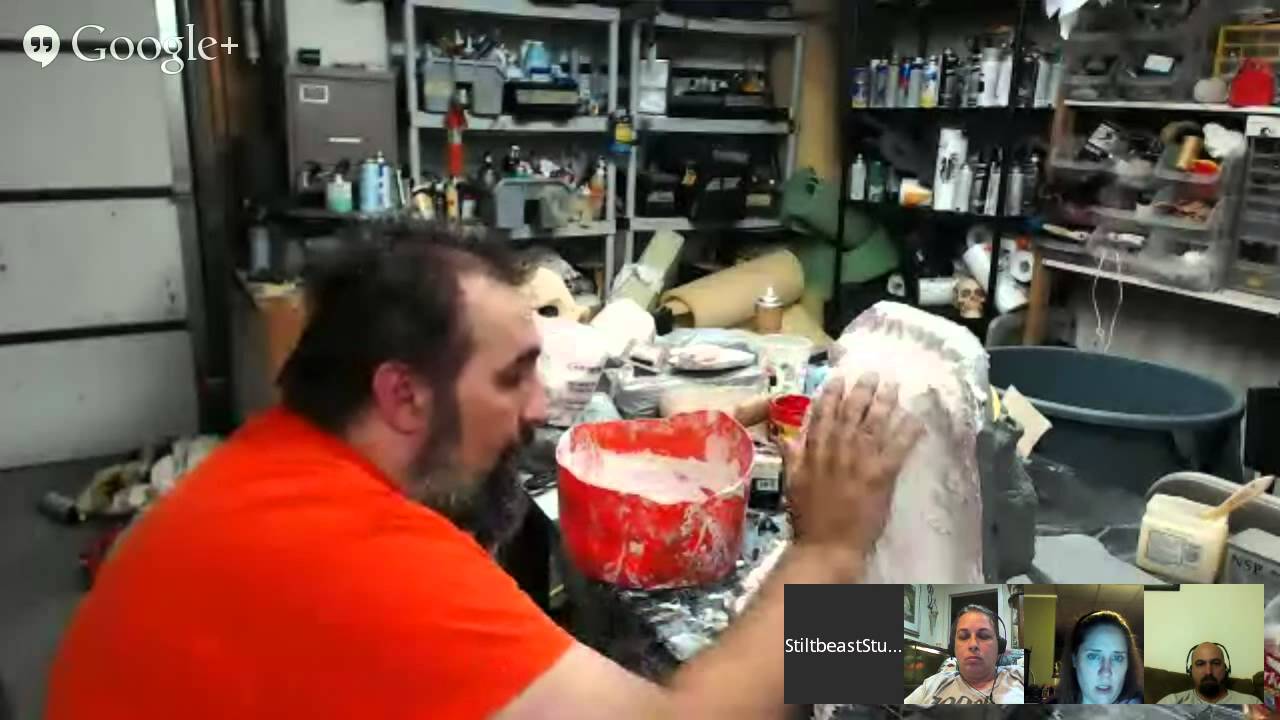
This long-form tutorial from Stiltbeast Studios walks through the complete process of building a two-part plaster mask mold from start to finish. Running nearly four hours, it is structured as a comprehensive, question-answering session covering every stage of the molding workflow. The format suggests a live or recorded hangout, making it especially accessible for learners who want real-time explanations alongside the demonstration.
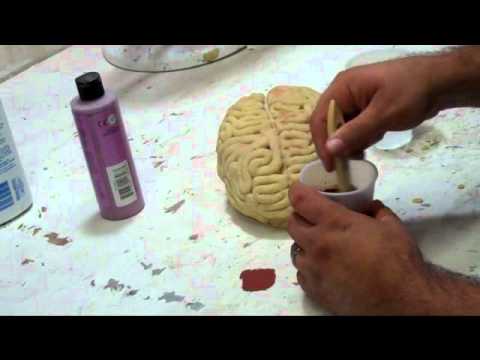
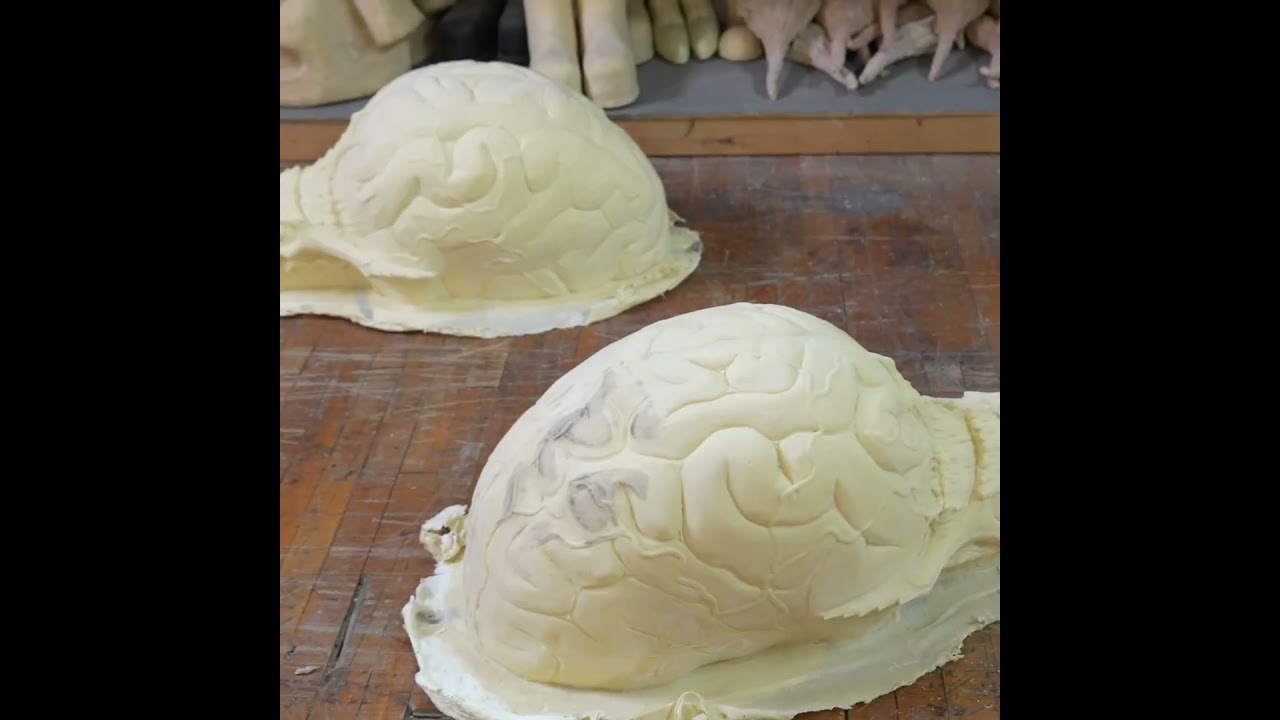
This is part five of StiltbeastStudios' ongoing brain molding series, focusing specifically on the painting stage of the build. The episode walks viewers through finishing a latex brain prop with realistic paintwork. As part of a multi-episode series, it builds on previously established molding and casting steps to bring the prop to a screen-ready finish.
StiltbeastStudios walks through the process of creating a one-piece plaster mold intended for pulling latex castings — a technique well-suited to half masks and sculpts with few or no undercuts. The featured subject is a sleeping cat sculpt that is planned for animation, eventually giving the illusion of breathing and a flipping tail. The video emphasizes the simplicity and reliability of this molding approach for haunt-quality prop production.
VanOaksProps demonstrates a budget-friendly method for casting convincing fake hardware pieces using a silicone mold and high-temp Cosplay Stik hot glue sticks from Surebonder. The technique allows haunters and cosplayers to replicate multiple hardware styles quickly without spending heavily on store-bought decorative pieces. Colored glue sticks — including black and silver — make it easy to produce finished-looking results straight out of the mold with minimal post-processing.
This short behind-the-scenes clip offers a glimpse into the professional prop mold-making process at Distortions Unlimited, a renowned Halloween prop manufacturer. The focus is on the creation of molds for an Alien Spider Halloween prop, showcasing the scale and craft behind commercial monster fabrication. Even at just one minute, it provides an authentic look at how large-scale prop production operates at a professional level.
This crew profile video spotlights "Super Mando," a long-tenured Distortions Unlimited team member who has spent nearly two decades mastering mold making, latex pouring, seaming, and finishing work. The video blends a personal human-interest story — Mando's journey from Mexico to working in the U.S. Halloween industry — with a glimpse into the professional prop and mask manufacturing process at one of Halloween's most recognized studios. Distortions Unlimited is known for high-quality animatronics, masks, and props used by haunters, theme parks, and home haunters alike. The series aims to put faces to the craftsmanship behind the brand.